Art & Craft
Finger-Painting and Fingerprint Pages
Press painty fingers to make a caterpillar, a tree and balloons!
Edu Archives Worksheets & Printables
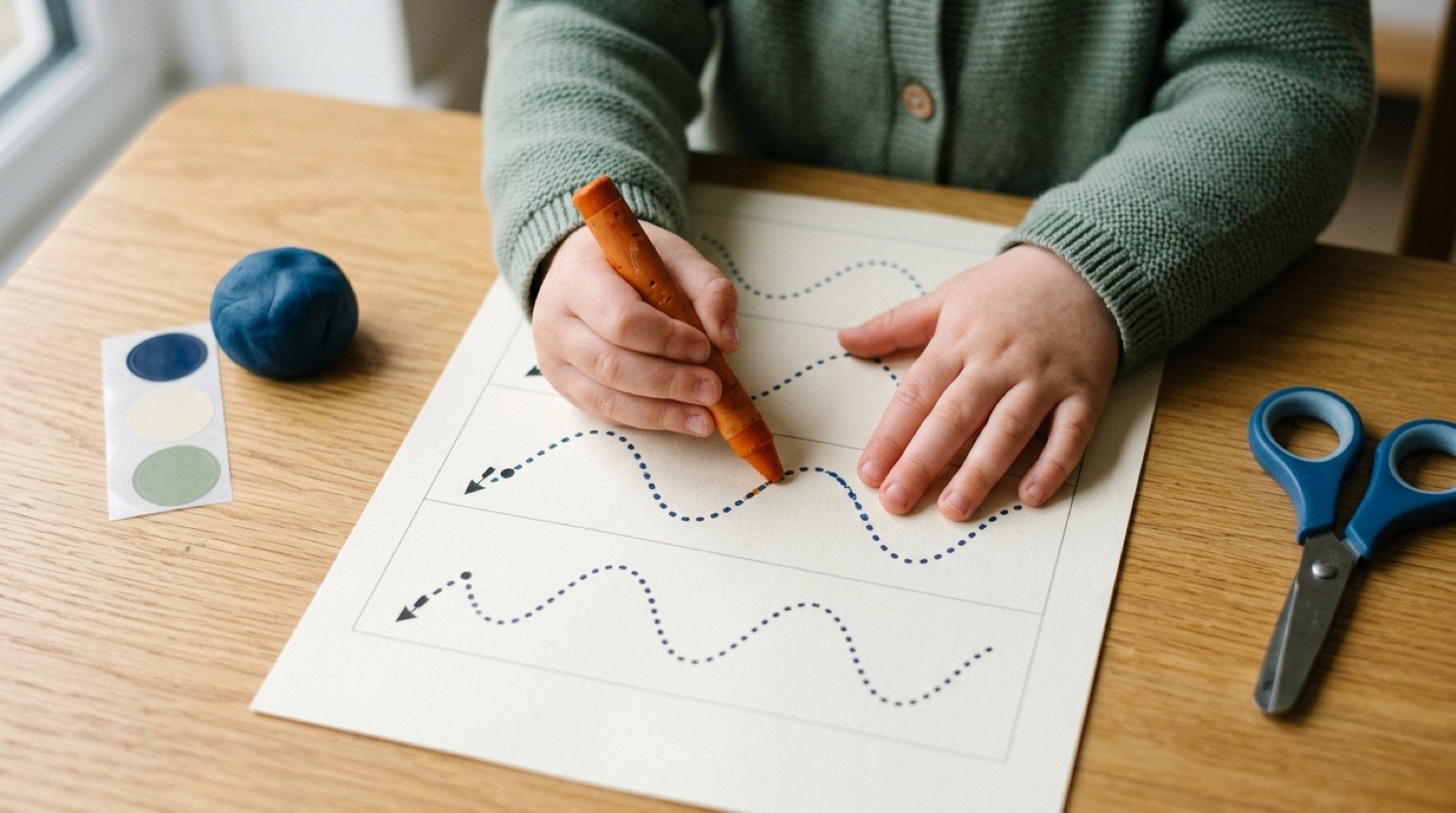 8 books · 83 pagesPre-Writing & TracingLines, curves, paths and shapes that prepare the hand for letter formation. Eight books that build progressively, one stroke at a time.Explore
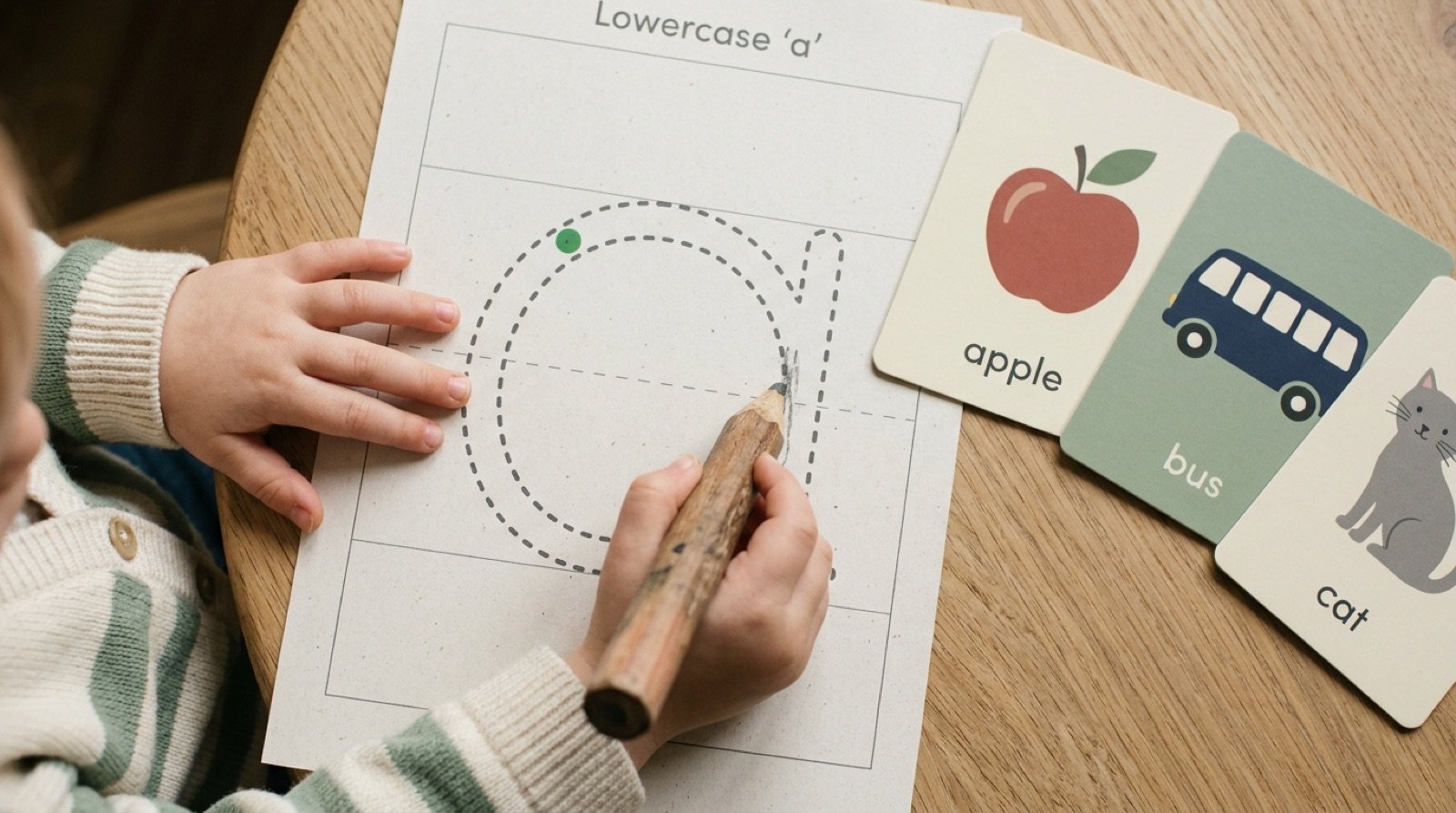 14 books · 88 pagesAlphabet & LettersLetter tracing with start dots, formation rhymes, letter of the week, dot-marker letters, mazes, matching and flashcards. Fourteen books that take children from recognising letters to forming them and writing their own name.Explore
 23 books · 202 pagesPhonicsListening and rhyme games, oral blending, Phase 2 to 4 sound sheets, digraphs, sound buttons, word building, tricky words and games. Twenty-three books that follow the Letters and Sounds phases in order.Explore
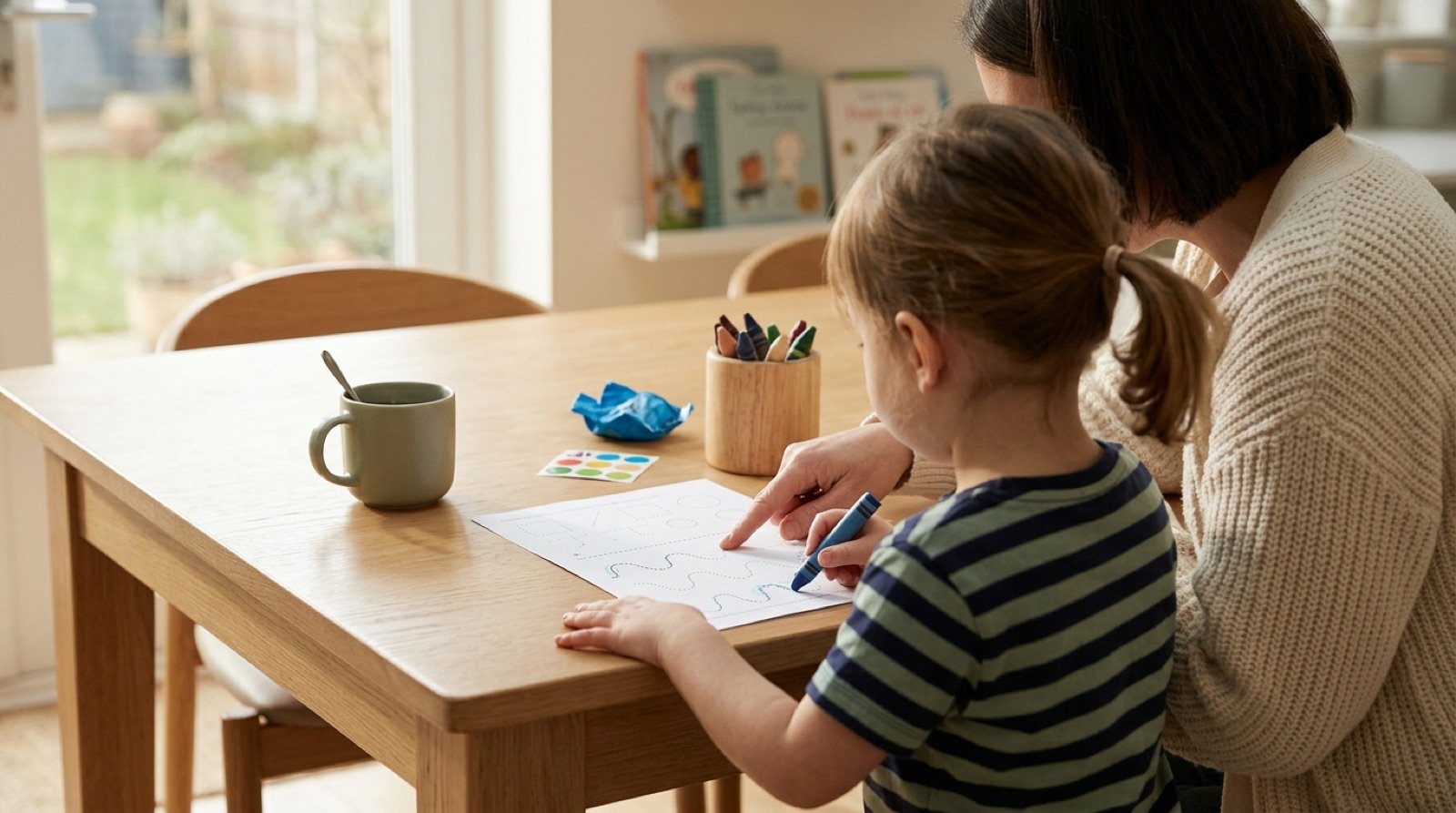 12 books · 94 pagesReading & WritingCVC word tracing, labelling, decodable captions and sentences, read-and-draw, picture comprehension, sequencing stories and write the room. Twelve books that turn sounds into reading and writing, with nursery rhymes and traditional tales.Explore
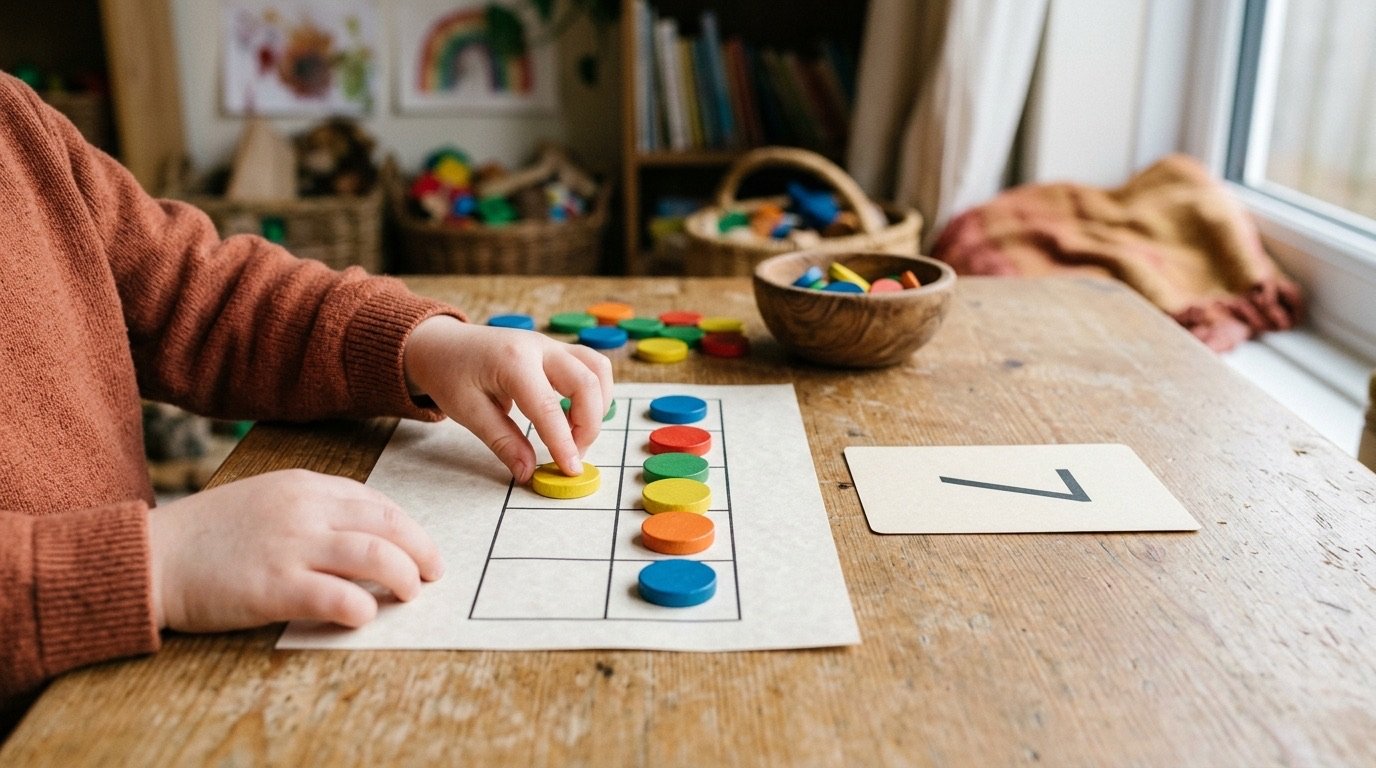 21 books · 141 pagesEarly Maths & CountingCounting, number recognition, five and ten frames, subitising, number formation, number bonds and comparing groups. Twenty-one books that build early number sense step by step.Explore
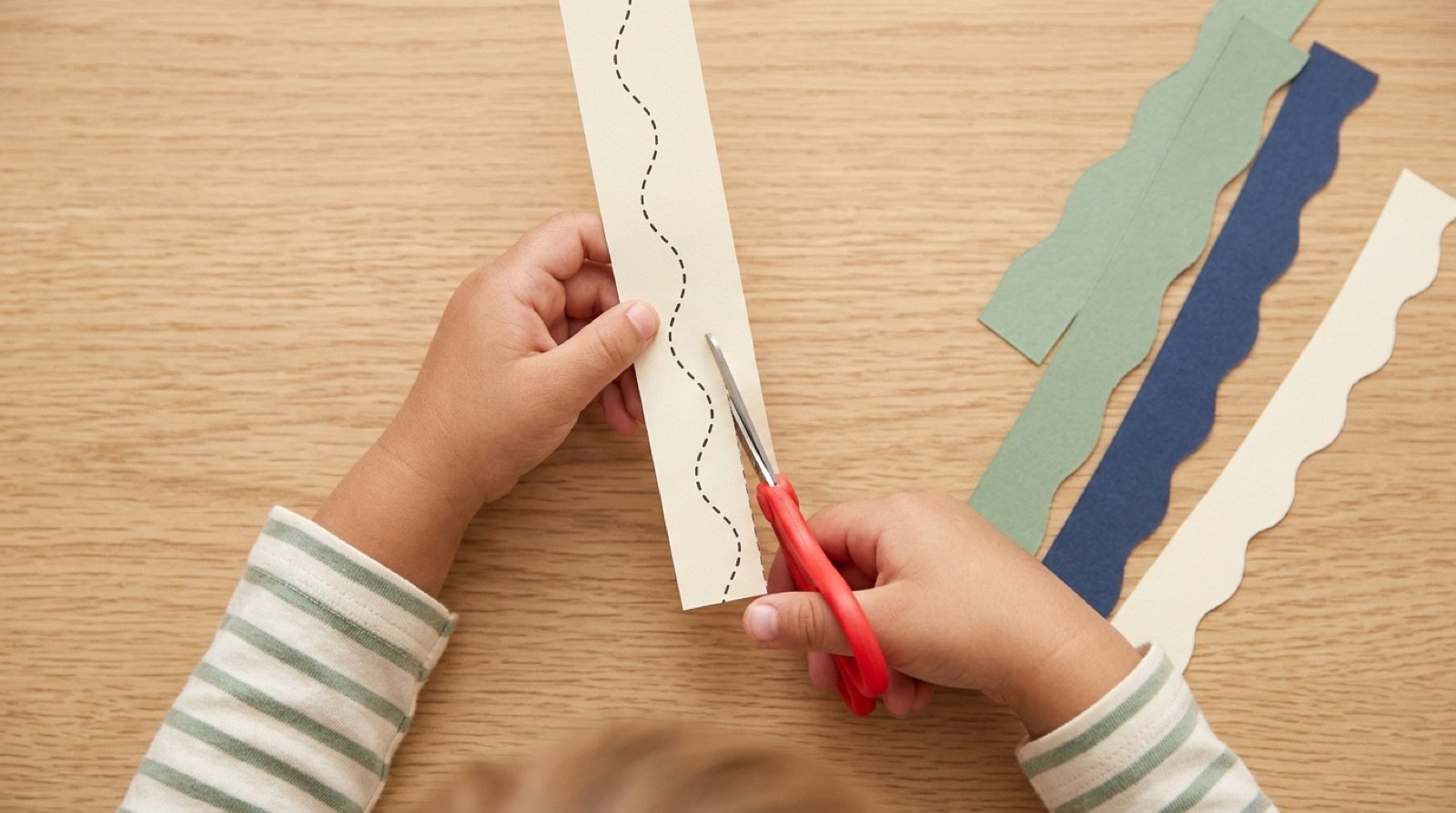 5 books · 37 pagesScissor SkillsFrom first snips to spirals. Five books that develop cutting control, hand strength and two-handed coordination.Explore
 6 books · 48 pagesFine Motor PlayPlaydough mats, dot markers, stickers, lacing cards, pegboards and tweezers. Hands-on activities that strengthen fingers and grip.Explore
 2 books · 12 pagesArt & CraftFingerprint painting and tissue-paper collage. Creative work that builds finger strength and the pincer grip.Explore
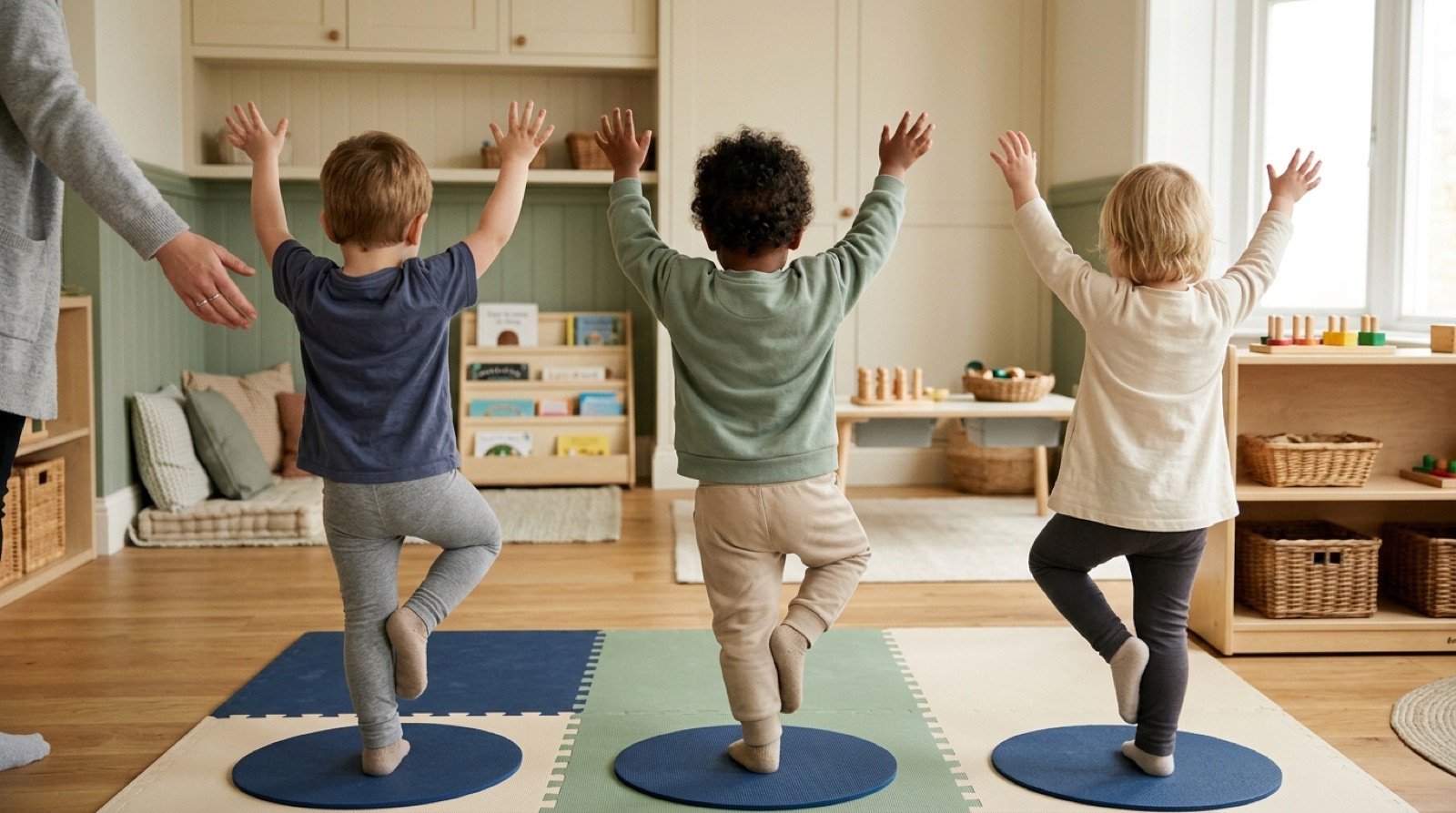 3 books · 15 pagesMove & StretchAction cards and yoga poses. Whole-body strength, balance and posture that make sitting and writing easier.Explore
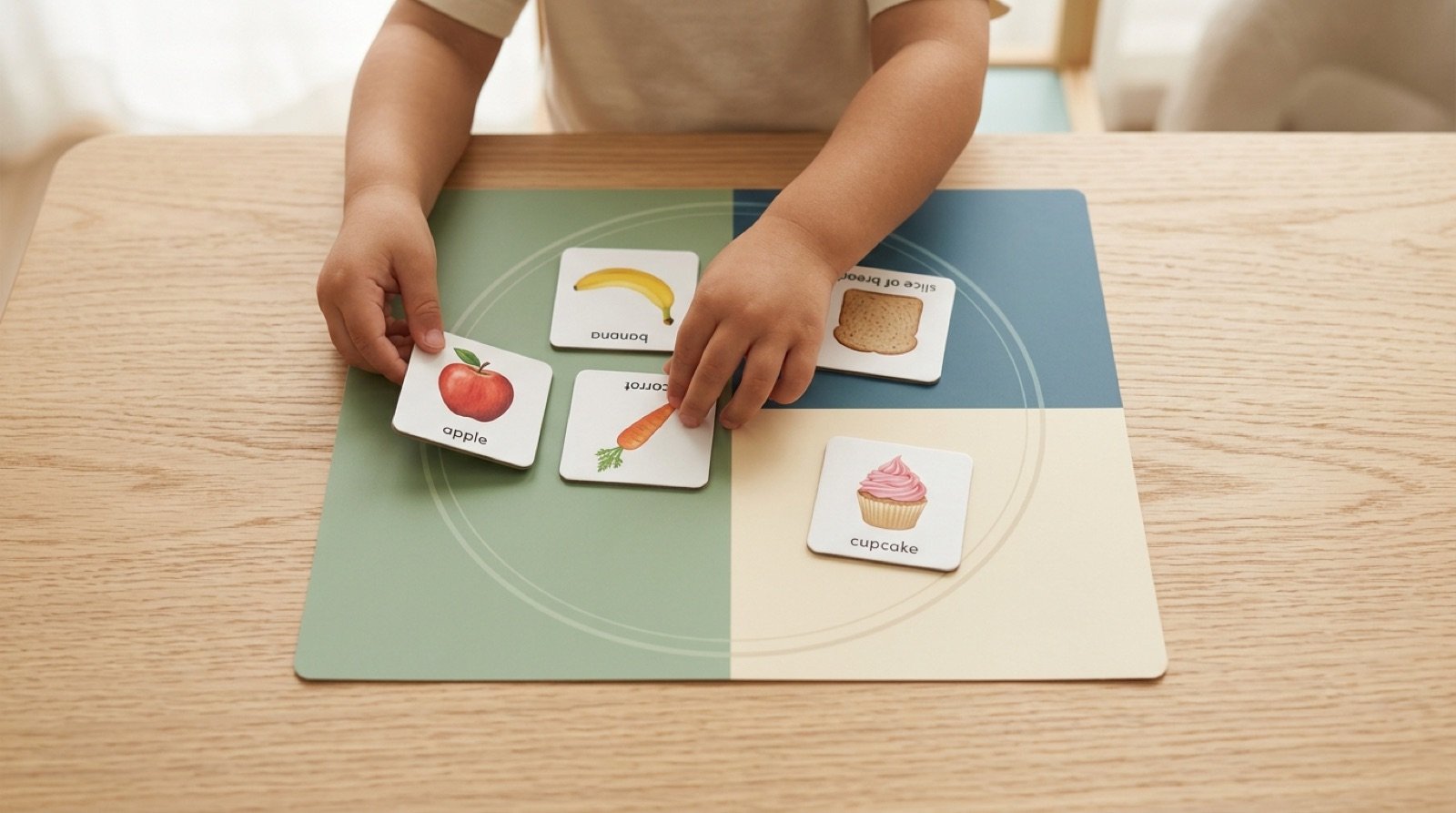 3 books · 19 pagesHealthy Me & Self-CareFood sorting, the Eatwell plate, sleep and exercise charts, handwashing, teeth and getting-dressed routines. Picture-led pages for the EYFS health and self-care goals.Explore
Press painty fingers to make a caterpillar, a tree and balloons!
Wet, soap, rub, rinse, dry: put the steps in order.
Start at the dot, follow the line, write the letter.
From straight lines to narrow pencil-control paths. Start at Book 1 and move on when a book feels easy.
 Straight LinesUp, down, across and slanting. Start at the top!
 Curved LinesWaves, zigzags, loops, spirals and bridges to trace.
 Mixed PatternsLines and curves together, just like real letters.
 Themed Tracing PathsHelp the bee, the rocket and the bunny get home!
 Trace the ShapeCircle, square, triangle, star, heart... trace them all!
 Trace and ColourTrace the cat, the banana and the plane, then colour them in.
 Rainbow TracingRed, orange, yellow... trace a whole rainbow!
 Pencil Control PathsStay on the road! Paths get narrower level by level.
A suggested order for the alphabet books: meet the letters, find and match them, trace and form them, then write first words and your own name.
 Letter of the WeekOne letter, one week: trace it, colour it, find it, stick it.
 Alphabet Flashcards and PostersA is for apple, B is for ball: cards and posters to print, cut and display.
 Find and Circle the LetterHunt for the letter and circle every one you find.
 Dab the LetterDab every b you can find!
 Upper and Lower Case MatchingBig A meets little a. Match them, cut them, stick them.
 Letter MazesFollow the b's to get home. Don't take a d by mistake!
 Alphabet Order Dot-to-DotJoin the letters in order and see what appears!
 Letter Tracing A–Z with Starting DotsStart at the dot, follow the line, write the letter.
 Letter FamiliesMeet the curly caterpillar letters: c, a, d, o, g...
 Letter Formation with RhymesRound the apple and down the leaf: that's an a!
 First Words Tracingm-u-m... mum! Trace it, write it, say it.
 Alphabet Colouring BookA is for apple. Colour the letter and the picture.
 Alphabet Line Classroom DisplayA row of letters to point at and read.
 Name-Writing TemplatesWrite your own name. Trace it, then try it alone!
From first snips to spirals. Cutting lines get longer and turn more as confidence grows.
 Cutting StripsSnip, snip, snip! Open wide like a crocodile.
 Themed Cutting: Lion, Monster and OctopusGive the lion a haircut. Don't snip his face!
 Cut Out ShapesCut out circles, squares, triangles and stars.
 Cut and Stick Picture PuzzlesCut, puzzle, stick! Can you put the cat back together?
 Spiral CuttingRound and round to make a wiggly paper snake!
Twenty-three books in Letters and Sounds order: listening and rhyme first, then Phase 2 sounds and blending, Phase 3 digraphs, and Phase 4 adjacent consonants.
 Environmental Sounds MatchingWoof, beep, ding: who made that sound?
 Instrument Sounds MatchingBoom, ting, toot: which instrument?
 Voice Sounds and Body Percussion CardsClap, stamp, tap, click. Make the sound on the card!
 Rhyming PairsCat, hat: do they sound the same at the end?
 Odd One Out: RhymeCat, hat, dog: which one doesn't rhyme?
 Alliteration: Silly SentencesSssally sells ssseashells. Say it slowly, then faster!
 I-Spy Picture ScenesI spy with my little eye... can you spot them all?
 Oral Blending Picture CardsThe grown-up says c-a-t. Can you say the word?
 Initial Sound Matching, Colouring and SortingSss-un. What sound do you hear first?
 One Sheet Per Sound: Phase 2s like a snake, not suh. Say it, trace it, write it.
 Sound Buttons and BlendingPress, say, sweep: c-a-t... cat!
 VC and CVC Word BuildingCut out the letters and build the word.
 Tricky Words: Phase 2I, the, to, no, go, into: the words you can't sound out.
 Phase 2 GamesRoll the dice, read the word, win the square!
 Letters j v w x y z zz quj, v, w, x, y, z, zz, qu: now you know every letter!
 Digraphs: ch sh th ng nkTwo letters, one sound: ch as in chick.
 Vowel Digraphs and Trigraphsrain, night, boat, chair: the sounds that open up real words.
 Read, Match, Sort, SpotRead the word first, then find the picture.
 Tricky Words: Phase 3In he, she, we and me the e says its name.
 Phase 3 GamesCatch a fish, read the word, keep it!
 Consonant Blendsb... l... bl! Squash the two sounds together.
 CVCC and CCVC Wordsf-r-o-g: four sounds, not three!
 Tricky Words: Phase 4said, have, like, so, do, some: spot the tricky bit!
From tracing a first word to reading a short text and answering questions. Each book assumes the phonics of the one before.
 CVC Word Tracingcat, dog, sun, hat, pig, cup: trace it, say it, write it.
 Labelling PicturesSss... sun. Write the sound you hear first, then the word.
 Captions: Read and DrawRead it, then draw it. Is the cat ON the mat?
 Tracing Short SentencesCapital letter, finger spaces, full stop.
 Sentence Reading and DrawingThe cat is on the mat. Read it, draw it.
 Picture ComprehensionLook carefully. Where is the cat?
 Sequencing StoriesFirst, next, last: put the pictures in order.
 Short Sentence Reading ComprehensionWho is on the mat? Which words told you that?
 Write the RoomHunt for the cards hidden around the room!
 Nursery RhymesTwinkle Twinkle, Humpty Dumpty, Incy Wincy: colour and sing!
 Traditional TalesGoldilocks, the Three Little Pigs and the Gingerbread Man!
 Simple Reading BooksCut, fold, staple: make your own mini book!
Counting and matching first, then five and ten frames, subitising and number formation, and finally one more one less, comparing and number bonds.
 Count and MatchCount the pictures, match the number.
 Count, Colour, Circle and WriteCount them, colour them, circle them, write the number!
 Count and Clip CardsCount the objects, peg the number!
 Five FramesFill the five frame to show the number.
 Ten FramesHow many are full? How many are empty?
 Dice Patterns and DominoesHow many dots? Say it without counting!
 Numerals, Words and Quantity Matching3, three, and three balloons: match all three!
 Number Tracing with Pictures3 = three balloons. Trace the number, count the pictures.
 Number Formation RhymesRound and round and that's a zero!
 Number Flashcards and Number Line0 to 10 on the wall and in your hand.
 Find and Colour the NumberFind every 3 and colour it in!
 Number Mazes and Dab the NumberFollow the 2s home, then dab every 2 you see!
 Number of the DayToday's number is 4. Trace it, count it, show it!
 Trace, Write, Colour, Count and CircleLetters, numbers, shapes and animals: a bit of everything!
 Missing Numbers on a Number Line1, 2, _, 4: what comes next?
 Number Order Cut and PasteCut out the numbers and paste them in order.
 Counting On and Counting BackStart at 3 and count on. Start at 8 and count back!
 One More, One LessOne more than 4 is 5. One less than 4 is 3!
 More, Fewer, Most and FewestWhich group has more? Which has the fewest?
 Number Bonds to 5 and 103 and 2 make 5. What else makes 5?
 Counting SongsFive little frogs... and then there were four!