Themed Cutting: Lion, Monster and Octopus
Give the lion a haircut. Don't snip his face!

Cut and Stick Picture Puzzles
Cut, puzzle, stick! Can you put the cat back together?

Nothing matched. Try a shorter word or clear the filters.
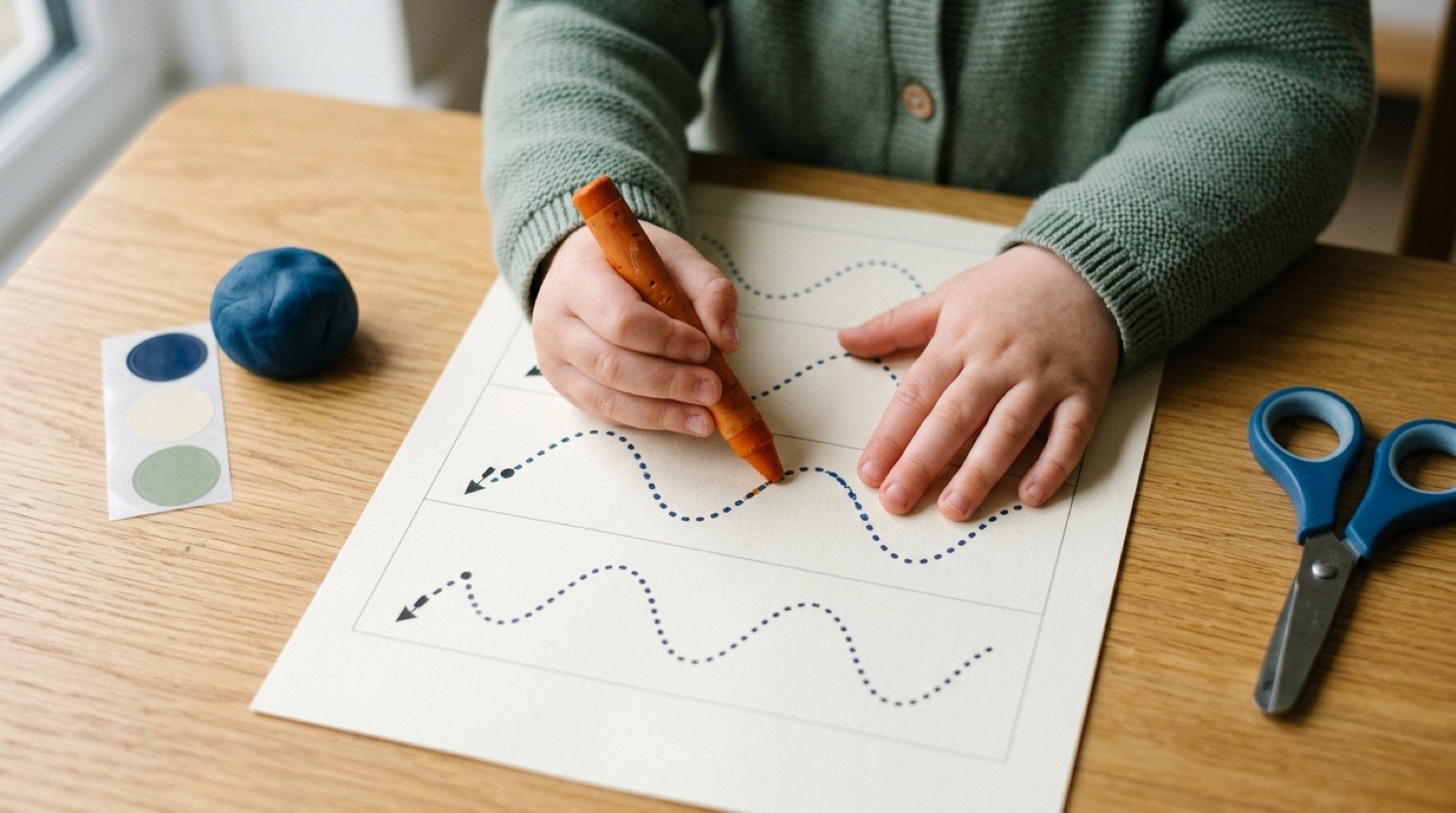 8 books · 83 pagesPre-Writing & TracingLines, curves, paths and shapes that prepare the hand for letter formation. Eight books that build progressively, one stroke at a time.Explore
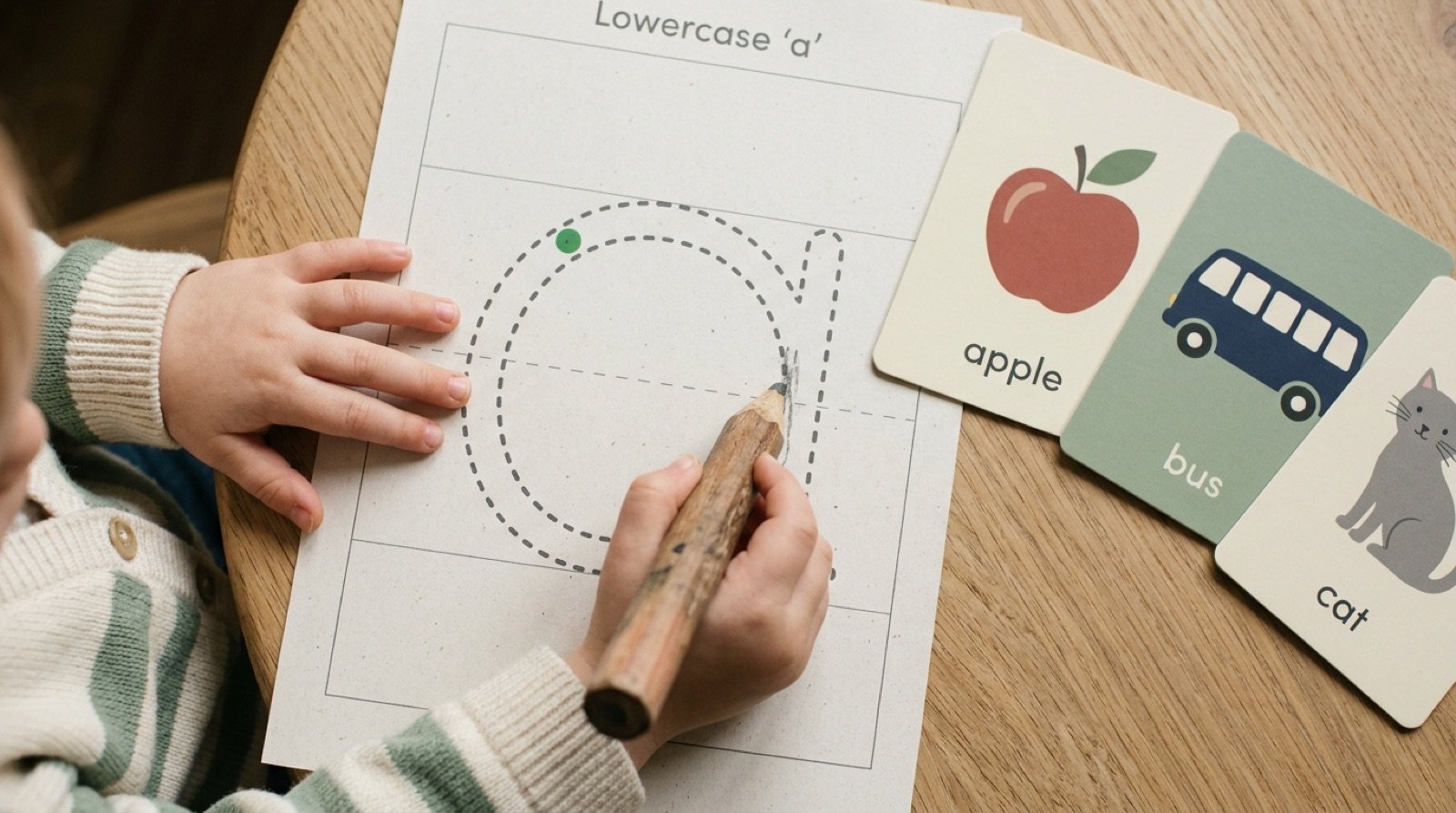 14 books · 88 pagesAlphabet & LettersLetter tracing with start dots, formation rhymes, letter of the week, dot-marker letters, mazes, matching and flashcards. Fourteen books that take children from recognising letters to forming them and writing their own name.Explore
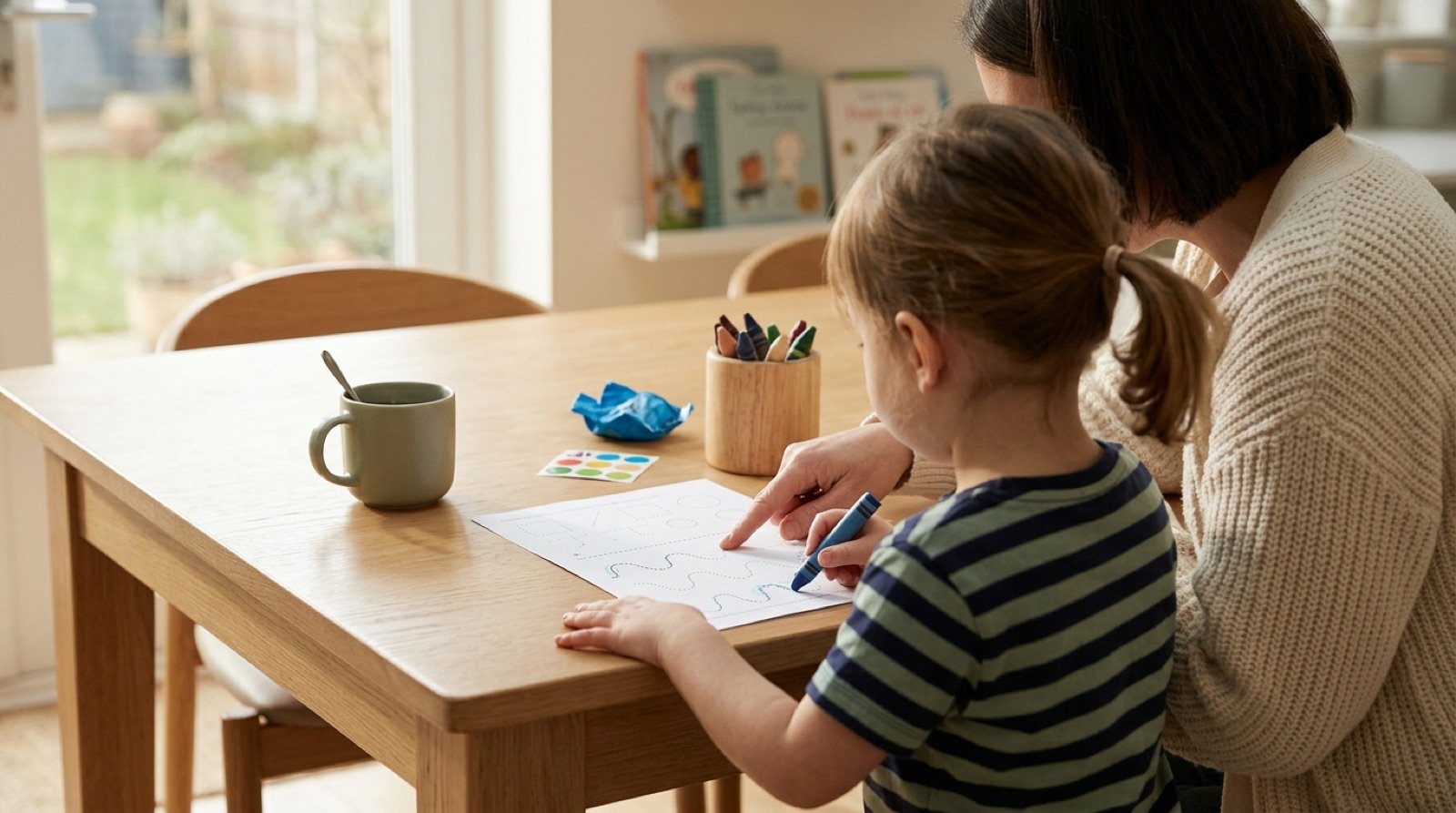
 23 books · 202 pagesPhonicsListening and rhyme games, oral blending, Phase 2 to 4 sound sheets, digraphs, sound buttons, word building, tricky words and games. Twenty-three books that follow the Letters and Sounds phases in order.Explore
 12 books · 94 pagesReading & WritingCVC word tracing, labelling, decodable captions and sentences, read-and-draw, picture comprehension, sequencing stories and write the room. Twelve books that turn sounds into reading and writing, with nursery rhymes and traditional tales.Explore
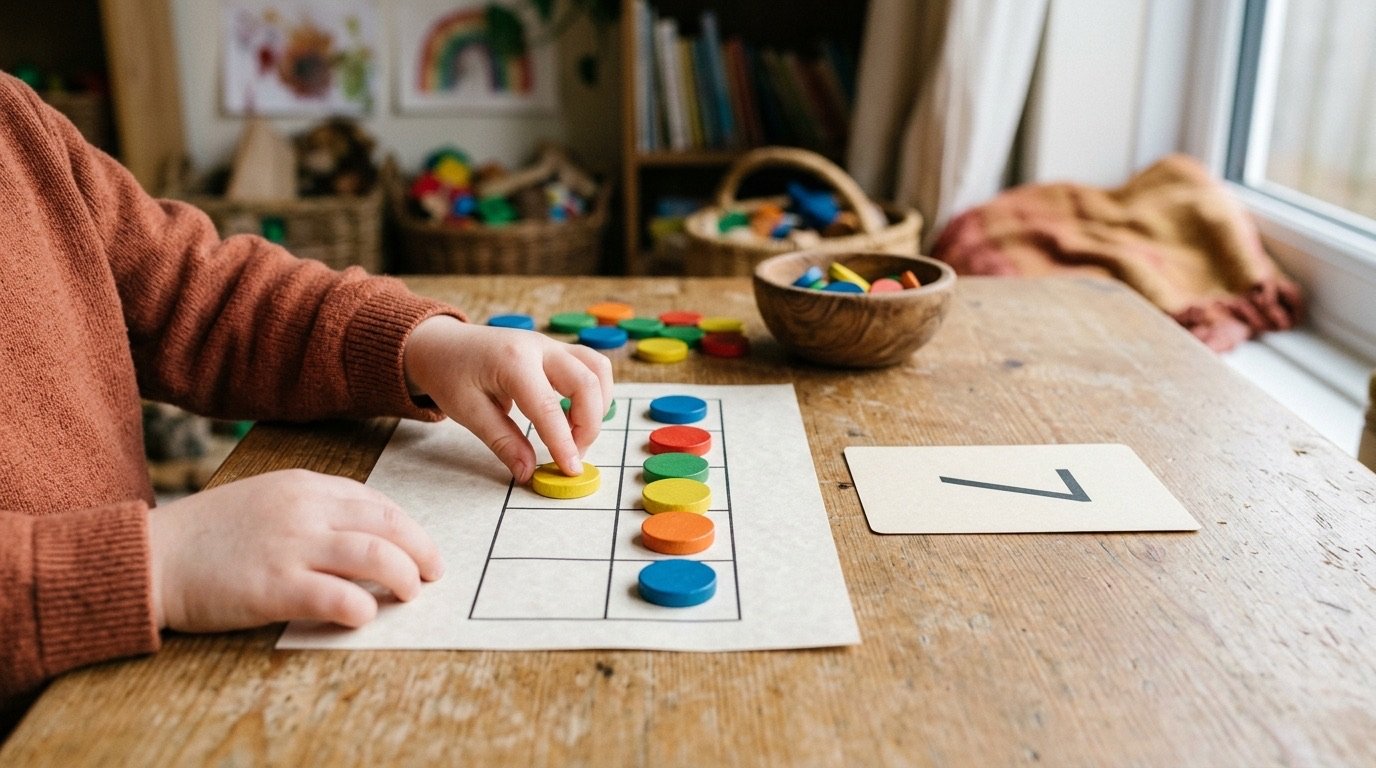 21 books · 141 pagesEarly Maths & CountingCounting, number recognition, five and ten frames, subitising, number formation, number bonds and comparing groups. Twenty-one books that build early number sense step by step.Explore
 6 books · 48 pagesFine Motor PlayPlaydough mats, dot markers, stickers, lacing cards, pegboards and tweezers. Hands-on activities that strengthen fingers and grip.Explore
 2 books · 12 pagesArt & CraftFingerprint painting and tissue-paper collage. Creative work that builds finger strength and the pincer grip.Explore
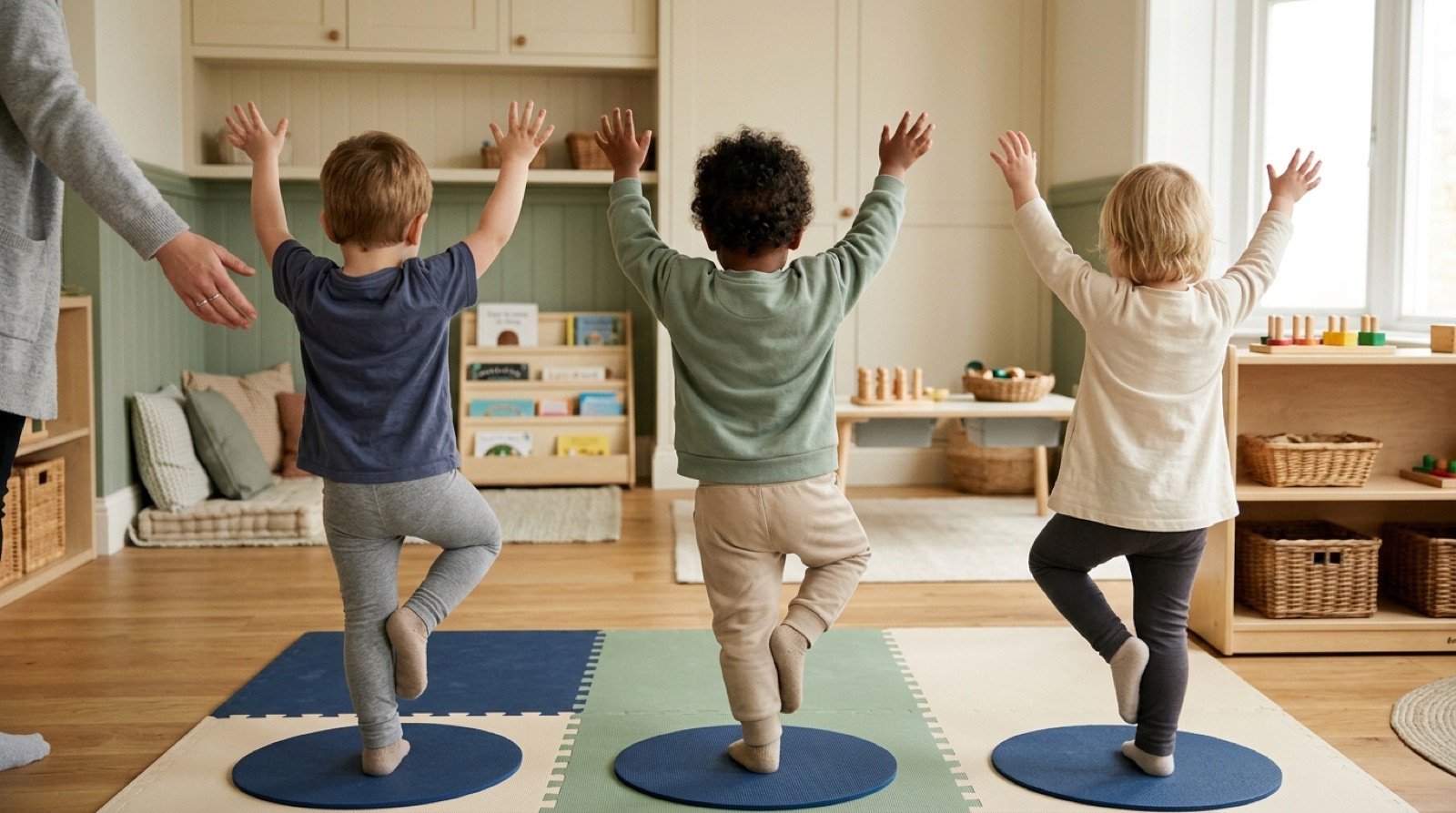 3 books · 15 pagesMove & StretchAction cards and yoga poses. Whole-body strength, balance and posture that make sitting and writing easier.Explore
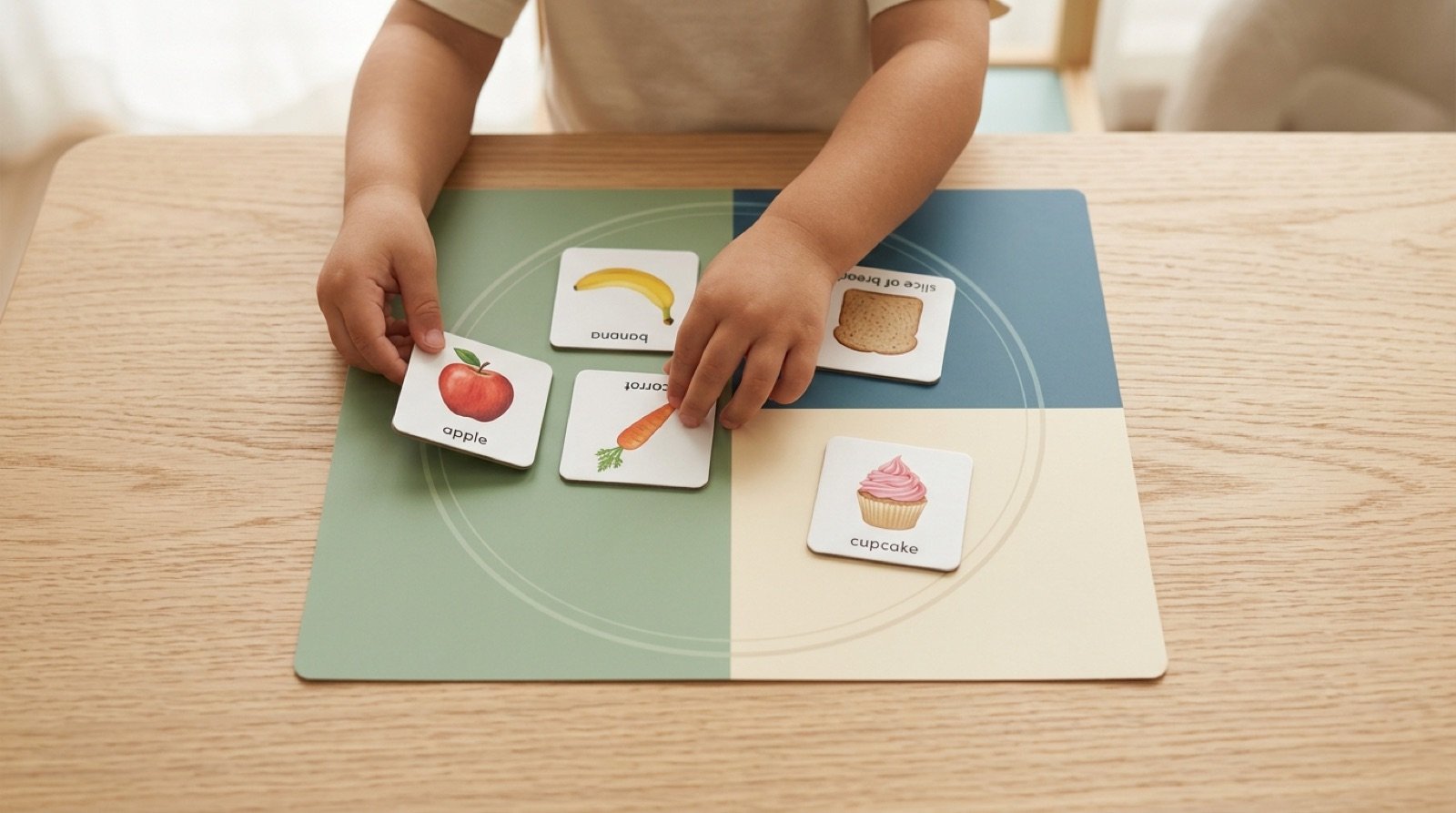 3 books · 19 pagesHealthy Me & Self-CareFood sorting, the Eatwell plate, sleep and exercise charts, handwashing, teeth and getting-dressed routines. Picture-led pages for the EYFS health and self-care goals.Explore